Related Articles
- Redefining Boundaries: How Disruptive Innovation is Reshaping the Future of Legal Conflict Resolution
- The Future of Litigation: How Virtual Reality is Transforming Trial Preparation and Witness Testimony
- The Hidden Power of Narrative: Crafting Compelling Legal Stories Amidst Procedural Complexity
- Evolving Benchmarks: The Unexpected Impact of Pop Culture on Legal Precedents and Jury Perception
- Jurisdictional Jigsaw: How Globalization is Redefining Legal Practice and Client Representation in Uncharted Territories
- Legal Futures: The Overlooked Impact of Augmented Reality on Contract Negotiation and Dispute Resolution
Whispers of Influence: The Unorthodox Links Between Pop Culture and Lawmaking Trends
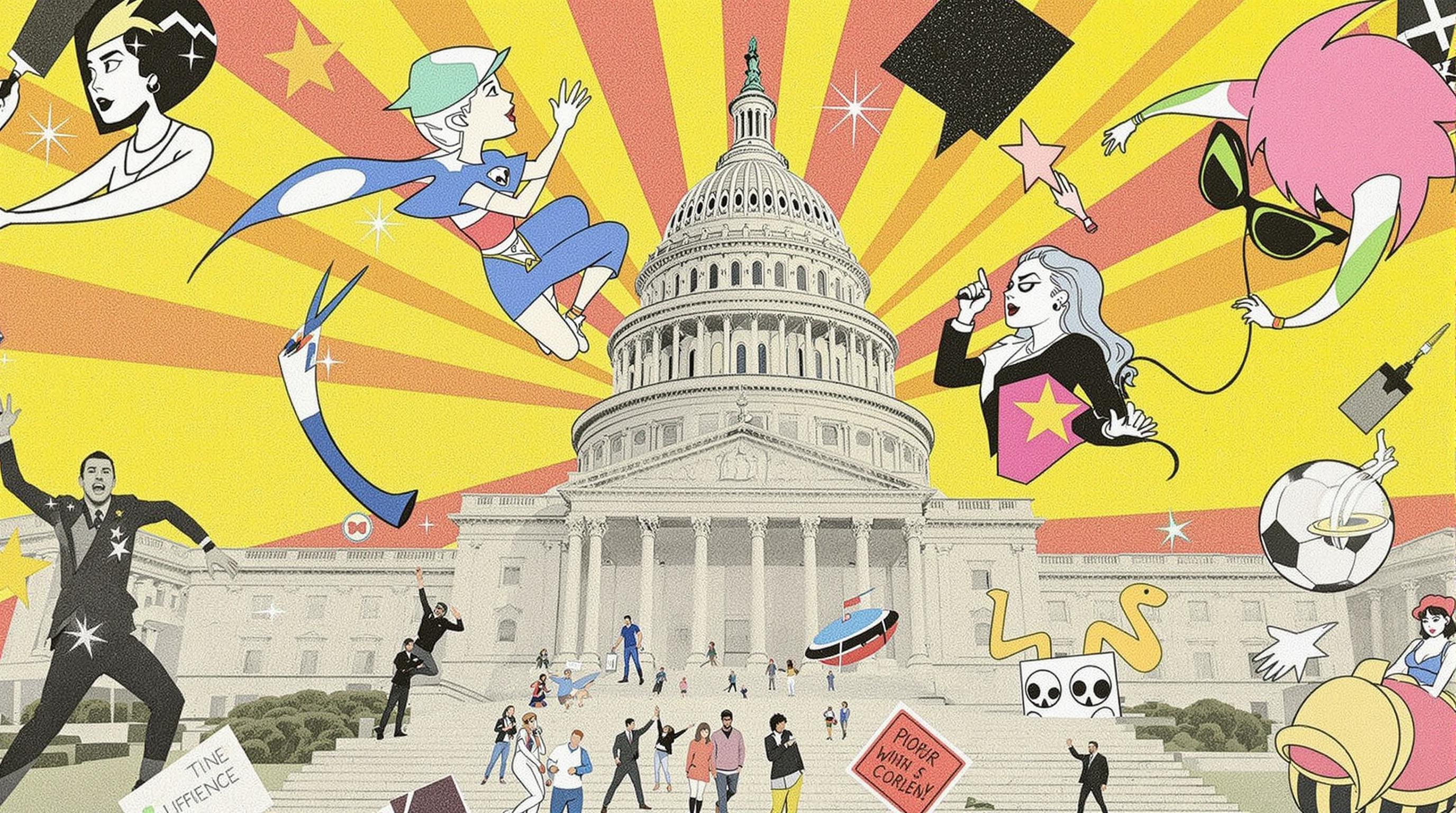
Whispers of Influence: The Unorthodox Links Between Pop Culture and Lawmaking Trends
Pop culture often seems far removed from the serious realm of lawmaking, yet these two worlds share an intricate dance of influence. This article explores how films, music, and social media mold legislative trends, highlighting quirky connections, surprising statistics, and thought-provoking stories that reveal the profound impact of pop culture on the law.
The Power of the Screen: Law in Movies and TV
Movies and television have a unique power to shape public perception and, consequently, legislative priorities. Consider the 1995 movie "The Pelican Brief," which spurred conversations about judicial accountability and the role of the Supreme Court. Screenwriter and author John Grisham raised awareness of legal complexities in a way that academic texts rarely achieve.
Case Study: The Influence of "Law & Order"
Remember "Law & Order"? This iconic show ran for 20 years, portraying the criminal justice system in all its dramatic glory. The series wasn't just entertainment; it contributed to greater awareness of issues like domestic violence and wrongful convictions. Research by the University of California, Berkeley found that the show's popularity coincided with higher reporting rates of domestic violence—an illustration of how pop culture can directly impact real-world behavior and, by extension, legislation designed to address social issues.
Social Media: The New Rallying Cry
Social media has transformed the landscape of activism, becoming both a tool for grassroots movements and a platform that lawmakers can no longer afford to ignore. In 2020, the hashtag #BlackLivesMatter exploded across Twitter, elevating discussions about systemic racism and prompting legislative responses, like the George Floyd Justice in Policing Act of 2021. According to a Pew Research study, 69% of Americans believe that social media can play a key role in political engagement, showcasing how pop culture phenomena transcend screens and directly influence lawmaking.
From Lyrics to Legislation: When Music Sparks Change
What if I told you that a catchy tune could impact legislation? Musicians have utilized their platforms to advocate for causes ranging from climate change to civil rights. Think of John Lennon’s iconic song "Imagine," often nicknamed an anthem for peace. Although its direct legislative influence is hard to measure, it helped lay the groundwork for the global peace movements of the 70s, which ultimately nudged various governments to consider disarmament talks.
Statistics: The Power of Music to Drive Engagement
According to a study published in the journal *Popular Music and Society*, 54% of survey respondents stated that song lyrics inspired them to get involved in social justice issues. This statistic underscores the role of lyrics as more than just entertainment; they serve as catalysts for action. When artists like Kendrick Lamar release tracks addressing police violence and racism, they aren't merely creating art—they're creating a cultural manifesto that has real-world implications.
Converging Worlds: Lawmakers as Cultural Icons
As the lines between pop culture and politics blur, some lawmakers even embrace the celebrity status often reserved for pop stars. Alexandria Ocasio-Cortez (AOC) has emerged as a figure of pop cultural significance through her savvy use of platforms like Instagram and TikTok. For example, her impromptu dance video became a viral sensation, turning her into a relatable figure who uses humor and youth culture to inform and engage her audience. This strategy not only enhances her visibility but also empowers young people to take part in political discussions, effectively changing the norms of engagement.
The Humorous Side of Lawmaking and Pop Culture
Let’s not forget that with all these serious connections, there’s a humorous side too. Take the classic political satire *The Onion*, which poked fun at lawmakers and legal proceedings, often addressing issues like climate change and corporate greed. The absurdity portrayed can serve as a mirror, reflecting societal frustrations and, perhaps, inciting change. Such humor can present complex issues in a way that resonates with younger audiences, widening the circle of those interested in advocacy.
Celebrity Advocacy: More Than Just a Trend
The rise of the celebrity advocate cannot be overstated. In recent years, stars like Leonardo DiCaprio, Taylor Swift, and Emma Watson have used their influence to address issues such as climate change, gender equality, and mental health. Their impact isn't just noise; a report from the *American Journal of Public Health* found that celebrity endorsements can increase charitable donations by up to 50%. Thus, when celebrities champion specific laws, they often shift public opinion in a way that legislators notice.
Real Change: Evidence in Legislation
In 2017, the #MeToo movement gained traction through viral social media postings, leading to legislative changes aimed at combating sexual harassment in various workplaces. According to the National Women’s Law Center, 27 state legislatures introduced legislation to strengthen workplace protections, a direct response to cultural conversations sparked by pop culture narratives. This example showcases the undeniable link between virality, public opinion, and the legislative process.
Art Imitating Life: Legal Drama in Pop Culture
Have you ever noticed how lawyers in shows like *Better Call Saul* or *The Good Wife* seem to tackle contemporary issues head-on? These narratives are not purely fictional; they portray the complexities of the legal system, often paralleling real-life legal battles that resonate with audiences. A striking statistic reveals that around 52% of Americans feel better informed about legal processes due to such shows, which often draw inspiration from real cases.
Storytelling: A Vessel for Empowerment
The story of Rosa Parks remains a powerful example of narrative impact. The book *The Rebellious Life of Mrs. Rosa Parks* details her struggles and ultimate contributions to the civil rights movement, making complex legal concepts accessible. By wrapping law within compelling narratives, storytellers serve as conduits for social change, training societal parse through an engaging lens.
Conclusion: The Intertwined Future of Pop Culture and Law
As we peer into the future, the merging of pop culture and law is likely to grow stronger. With pop culture being increasingly interactive through social media and streaming platforms, lawmakers must find ways to engage with these new public dialogues effectively. Leonard Cohen once said, “There is a crack in everything, that’s how the light gets in,” and in this age of information saturation, it may be through the cracks of pop culture that we find our paths toward social justice and legislative reform.
In closing, we've examined the unorthodox links between pop culture and lawmaking trends. By appreciating these connections, we heighten our understanding of both spheres—giving us a chance to impact the world, one meme, one song, and one heartfelt movie at a time.
Read More