
Related Articles
- Redefining Boundaries: How Disruptive Innovation is Reshaping the Future of Legal Conflict Resolution
- The Future of Litigation: How Virtual Reality is Transforming Trial Preparation and Witness Testimony
- The Hidden Power of Narrative: Crafting Compelling Legal Stories Amidst Procedural Complexity
- Evolving Benchmarks: The Unexpected Impact of Pop Culture on Legal Precedents and Jury Perception
- Jurisdictional Jigsaw: How Globalization is Redefining Legal Practice and Client Representation in Uncharted Territories
- Legal Futures: The Overlooked Impact of Augmented Reality on Contract Negotiation and Dispute Resolution
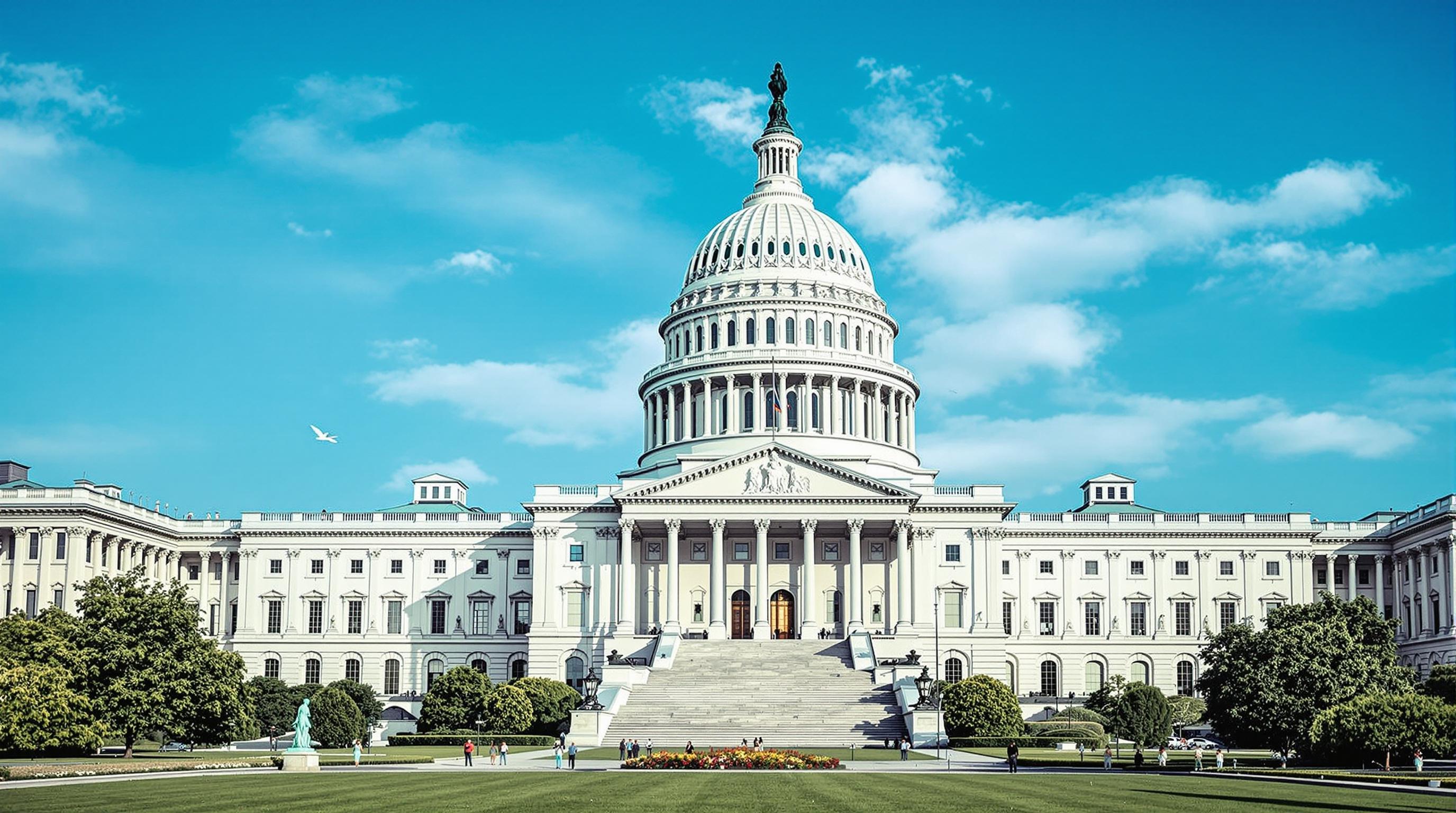
Behind the Curtains: Unpacking the Unlikely Partners between Tech Innovators and Lawmakers
Behind the Curtains: Unpacking the Unlikely Partners between Tech Innovators and Lawmakers
In a world where technology advances at lightning speed, an unlikely alliance is forming between innovators in the tech industry and lawmakers navigating the complexities of regulation. This article delves into the intricacies of these partnerships, highlighting their challenges, successes, and impact on society.
The Dance of Power and Innovation
Imagine a waltz where two seemingly mismatched partners, a fast-paced tech entrepreneur and a cautious lawmaker, step onto the dance floor of modern governance. This partnership is not just a funky trend; it has become essential in shaping the future landscape of technology and public policy.
Case Study: The Rise of Electric Vehicles
Take the case of electric vehicles (EVs). In 2021, the U.S. saw the sale of over 6 million electric cars, a staggering 80% increase from 2020, according to the International Energy Agency. Lawmakers collaborated with companies like Tesla to create incentives and regulations that would facilitate the transition to sustainable energy sources. The result? A thriving industry that reduces carbon footprints and fosters economic growth.
The Economics of Tech Partnerships
The bond between tech innovators and lawmakers also has tangible economic benefits. A study from the Brookings Institution found that tech-related jobs in the U.S. have higher average salaries than non-tech jobs, meaning these partnerships can bolster local economies. As innovation drives job creation, lawmakers find themselves in a unique position: as both advocates for their communities and regulators of the tech space.
Bridging the Policy Gap
But how does one bridge the seemingly vast gap between the fast-paced world of technology and the often slow-moving machinery of government? The answer lies in education and communication. Tech innovators often use language rich in jargon, while lawmakers frequently operate within a maze of legalese. It's no surprise then that many discussions about technology in legislative settings can feel like a game of charades.
Building Relationships
Enter the role of relationship-building. Tech conferences have increasingly become venues for lawmakers to interact with innovators, where they can learn about emerging technologies firsthand. This casual setting fosters an environment of collaboration, where both parties can express their concerns and aspirations openly.
For instance, the annual South by Southwest (SXSW) festival in Austin serves as a melting pot for creatives, policymakers, and business leaders. In 2019, discussions around privacy and data protection gained momentum when tech giants like Facebook engaged directly with lawmakers. Such face-to-face interactions help demystify complex issues and pave the way for constructive dialogue.
The Challenges Ahead
Of course, it is not all smooth sailing. Disagreements inevitably arise, particularly regarding issues like privacy, surveillance, and the ethical implications of technology. In 2020, a survey conducted by Pew Research revealed that 81% of Americans felt that the risks of companies collecting data outweighed the benefits. With public sentiment leaning heavily towards caution, lawmakers must tread carefully when crafting legislation that governs these innovations.
This tension presents both a challenge and an opportunity. While tech innovators push boundaries, lawmakers must ensure public safety and uphold citizens' rights. This delicate balancing act often leads to lengthy negotiations, and it can feel like both parties are stuck on opposite ends of a seesaw.
The Role of Public Opinion
Public opinion plays a significant role in shaping these partnerships. Lawmakers are acutely aware that their constituents are watching their every move concerning technology-related decisions. A well-timed tweet or viral hashtag can sway public opinion overnight, making it imperative for lawmakers to stay attuned to the concerns of the people they represent.
For example, after the Cambridge Analytica scandal, public outrage over data privacy led to Facebook being scrutinized heavily. Lawmakers had to respond quickly, and innovative solutions like the California Consumer Privacy Act (CCPA) emerged, emphasizing the importance of taking public sentiment into account when dealing with tech governance.
Of Tweaks and Twists: A Comedic Interlude
Now, let's take a break to inject a dash of humor into this otherwise serious discourse. Imagine a tech innovator explaining their new augmented reality app to a group of lawmakers, only for them to respond with, “So, does it come with a warranty?” Or picture a lawmaker trying to convince a programmer of the merits of a 20-page bill—after all, clarity is priceless! If only they had a “Tech Speak for Dummies” guide at hand.
Looking to the Future
As we look towards the horizon, the nature of partnerships between tech innovators and lawmakers will likely evolve with changing technology. With the rise of artificial intelligence (AI), companies like OpenAI and Google are working hand-in-hand with regulatory bodies to ensure that innovation doesn’t outpace responsible governance. The advent of AI regulations may redefine these partnerships yet again, pushing the dialogue into newer territories.
Consider that by 2025, experts predict that the market for AI could be worth over $190 billion (Statista). The stakes are high, and continued collaboration will be critical for both sectors as they navigate this uncharted territory together.
Closing Thoughts: The Future is Collaborative
In conclusion, the collaboration between tech innovators and lawmakers presents a promising avenue for shaping our evolving digital landscape. Through building relationships, understanding public sentiment, and embracing humor amid challenges, both parties can work toward a balanced approach that promotes innovation while safeguarding the public’s interests.
Quite probably, like any good partnership, it requires a blend of trust, respect, and some levity to make it work. So, let’s raise a proverbial glass to this unlikely alliance; after all, behind the curtains of governance and tech innovation lies hope for a prosperous future where both entities can thrive together.
Read More