Related Articles
- Redefining Boundaries: How Disruptive Innovation is Reshaping the Future of Legal Conflict Resolution
- The Future of Litigation: How Virtual Reality is Transforming Trial Preparation and Witness Testimony
- The Hidden Power of Narrative: Crafting Compelling Legal Stories Amidst Procedural Complexity
- Evolving Benchmarks: The Unexpected Impact of Pop Culture on Legal Precedents and Jury Perception
- Jurisdictional Jigsaw: How Globalization is Redefining Legal Practice and Client Representation in Uncharted Territories
- Legal Futures: The Overlooked Impact of Augmented Reality on Contract Negotiation and Dispute Resolution
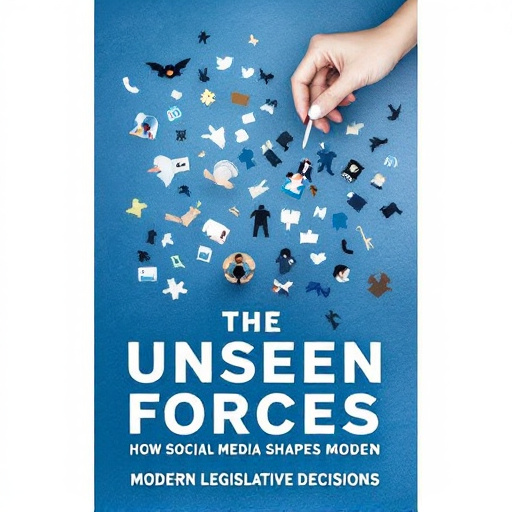
The Unseen Forces: How Social Media Shapes Modern Legislative Decisions
The Unseen Forces: How Social Media Shapes Modern Legislative Decisions
Social media is revolutionizing the way legislation is crafted and understood in today's digital age. By tapping into immediate public sentiment, politicians and policymakers are increasingly prioritizing their online presence over traditional methods of gauging public opinion.
The Digital Era of Governance
In the early days of American democracy, lawmakers relied on town hall meetings and printed newspapers to gauge public sentiment. Fast forward to today, and the dynamics have transformed significantly. A stunning 53% of adults aged 18 to 29 receive their news primarily from social media sources like Facebook, Twitter, and Instagram (Pew Research Center, 2021). This shift has created an environment where social media acts not just as a platform for dialogue but as a powerful tool that can influence legislative outcomes.
Social Media: The New Town Hall
Imagine a scenario where your local legislator posts a tweet, “I’m thinking about voting against the new environmental regulation. Thoughts?” Within an hour, they could receive thousands of replies, retweets, and likes. Compare that with a traditional town hall meeting, where only a limited number of constituents could voice their opinions. Just like that, social media has democratized the conversation, allowing a multitude of voices to seep into the legislative process. There are no longer barriers—everyone with a smartphone can contribute. A beautiful concept, isn't it?
Engagement Metrics: A Politician's Dream
Data, data, data. It's the lifeblood of modern politics. Politicians are now keenly aware of the impact that likes, shares, and comments can have on legislative agendas. In fact, recent studies suggest that politicians who actively engage with social media see a 20% increase in public support compared to those who remain silent. In this age of instant feedback, a viral tweet can make or break a legislative proposal overnight.
The Double-Edged Sword
However, this phenomenon comes with its own set of complications. It might be amusing to think that an online meme could swing a vote, yet we’re also witnessing significant polarization. One viral post can incite outrage, leading to immense pressure on lawmakers to act quickly, sometimes against their better judgment or the interests of their constituents. A regrettable example? The backlash against a proposed healthcare bill in 2017, which exploded on social media, led to swift amendments and a reversal of support.
A Case Study: #MeToo and Legislative Responses
The #MeToo movement offers a poignant example of social media's potential to drive legislative change. In the wake of the virality of survivor stories shared online, several states rushed to pass laws addressing sexual harassment and assault. For instance, California passed a law extending the statute of limitations for sexual assault cases, partly propelled by widespread social media advocacy. This scenario reflects the sheer swiftness with which public sentiment can escalate into legislative action.
Every Vote Counts, But Which Vote?
Polls are a staple of political campaigns, but they often can't keep up with the spiraling discussions on social media. According to a survey conducted by the American Political Science Review, tweets about specific legislation correlated with a measurable increase in voter calls and emails to legislators. It means that sometimes, social media discussions can drive legislative priorities more than traditional polling methods. Is the legislative process evolving? Absolutely, but at what cost?
The Meme Machine
Let’s take a moment to have some fun here. Ever seen a meme about the legislative process? Sure, they’re usually humorous, but don’t be fooled; memes can be a potent form of advocacy. When young voters engage with political memes, there’s a strong shift towards opinion formation. According to the Journal of Communication, 45% of millennials report that memes influenced their political opinions. Who knew that a picture of a cat with a witty caption could help decide the fate of a bill?
Echo Chambers: The Dark Side of Social Discourse
While social media offers a platform for public feedback, it also creates echo chambers where opposing views are rarely entertained. Research from Harvard University demonstrates that group polarization often intensifies within these online communities. What starts as constructive criticism can quickly devolve into confirmation bias, where lawmakers only hear from the most vocal factions of their constituents. One might argue that this dilutes the legislative process, producing laws that reflect a narrow spectrum of public opinion rather than a more inclusive approach.
The Ripple Effect of Online Petitions
Online petitions are becoming ever more prevalent. Platforms like Change.org allow anyone to create and sign petitions that may influence legislative agendas. It was revealed that petitions garnering more than 100,000 signatures have an increased chance of being considered by lawmakers. When constituents mobilize online, their voices can create a seismic impact, encouraging politicians to act. Take, for example, the petition advocating for climate change action that amassed over a million signatures— legislatures received a jolt indeed.
Strategies for Politicians in the Social Media Age
Politicians are adapting their strategies accordingly. Crafting a well-structured social media strategy becomes paramount. Ignoring social media is akin to burying your head in the sand; a shocking 68% of voters aged 18-29 feel that direct engagement with their representatives on social media is crucial to feeling heard (Pew Research Center, 2022). To leverage this, legislators have to maintain a visible, authentic presence that resonates with their audience. This isn't just about garnering likes; it's about promising constituents that their voices matter.
Legislative Transparency in a Filtered World
As social media continues to shape legislative dialogues, transparency has become an essential factor. Policymakers must ensure that their decisions are not only above board but also engage with the grassroots movements driving social media discourses. According to global governance research by the World Bank, transparency can enhance citizen trust in government—an invaluable commodity in this digital age.
Conclusion: A Balancing Act
In this intricate web of digital interaction, social media undeniably shapes modern legislative decisions. Yet, as we forge ahead, it’s imperative for lawmakers, constituents, and digital citizens alike to find a balance. The power of social media lies in its ability to bridge gaps; however, it’s essential to prevent it from becoming a tool that amplifies division. Only then can we truly harness the potential of our interconnected voices for creating effective and representative legislation.
Read More