Related Articles
- Redefining Boundaries: How Disruptive Innovation is Reshaping the Future of Legal Conflict Resolution
- The Future of Litigation: How Virtual Reality is Transforming Trial Preparation and Witness Testimony
- The Hidden Power of Narrative: Crafting Compelling Legal Stories Amidst Procedural Complexity
- Evolving Benchmarks: The Unexpected Impact of Pop Culture on Legal Precedents and Jury Perception
- Jurisdictional Jigsaw: How Globalization is Redefining Legal Practice and Client Representation in Uncharted Territories
- Legal Futures: The Overlooked Impact of Augmented Reality on Contract Negotiation and Dispute Resolution
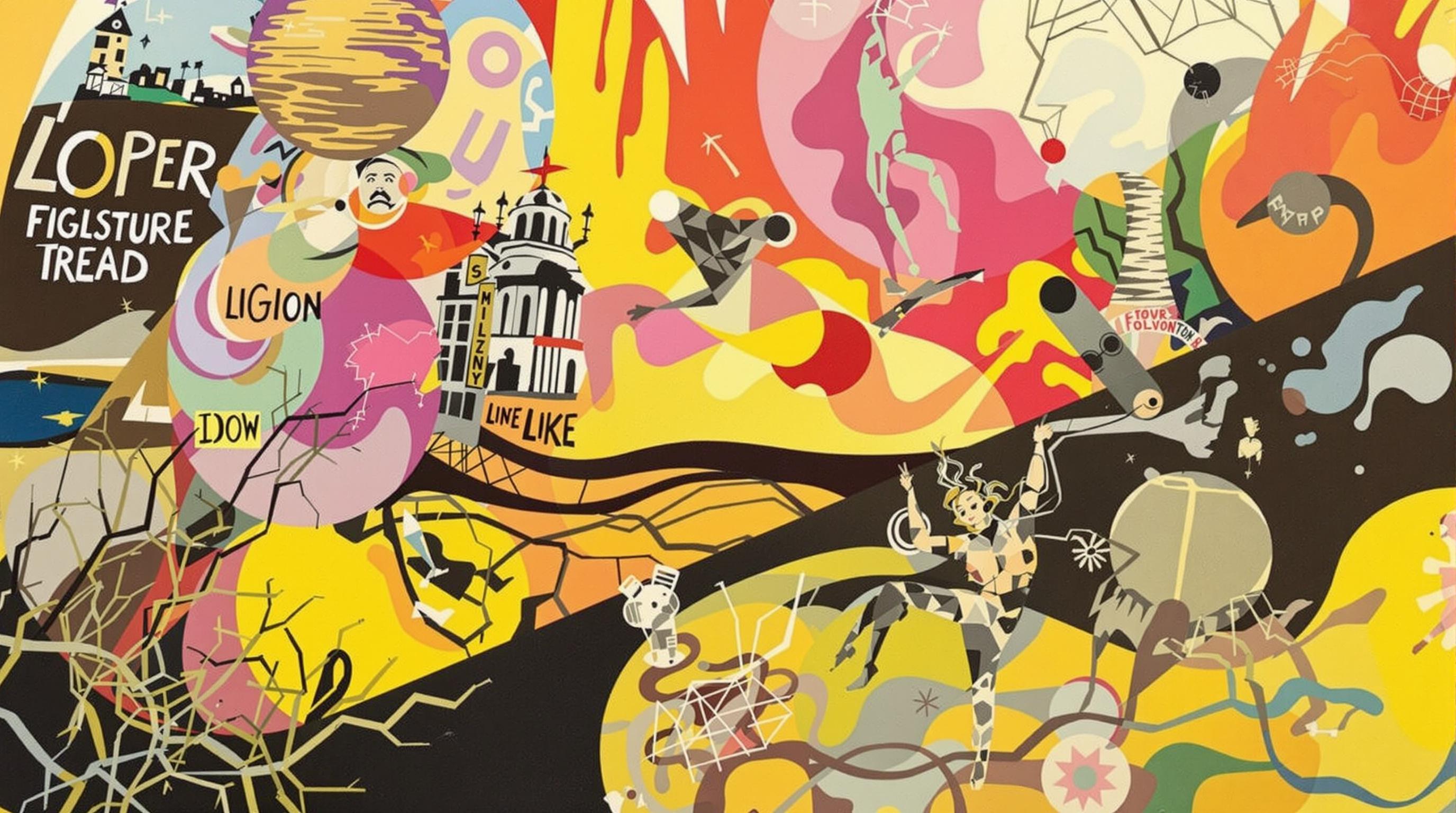
Beneath the Surface: The Surprising Impact of Art and Culture on Legislative Frameworks
Beneath the Surface: The Surprising Impact of Art and Culture on Legislative Frameworks
Art and culture are not merely reflections of society but powerful forces that can shape legislative frameworks in profound ways. This article explores the intricate relationship between creativity and law, examining case studies, historical examples, and the unseen influence of artistic endeavors on our regulatory structures.
The Historical Landscape of Art and Legislation
Throughout history, artistic movements have heavily influenced legislation. For instance, the Harlem Renaissance, a cultural explosion during the early 20th century, encouraged various legislative reforms aimed at civil rights. This artistic revival wasn’t just a creative phenomenon; it provoked critical discussions about race, class, and identity in America, leading to a push for policy changes and the eventual Civil Rights Movement of the 1960s (Wald, 2015).
Why Art Matters: The Impact on Legislative Frameworks
Now, let's be clear—most legislators aren’t strolling through art galleries contemplating the future of health care or environmental regulations. However, the cultural landscape, driven by art, fundamentally shapes public opinion, which in turn influences political agendas and laws. A survey from The National Endowment for the Arts (NEA) reveals that around 70% of respondents believe artistic expression profoundly impacts community cohesion and public policy (NEA, 2020).
A Case Study: The Role of Music in Legislative Change
Consider the impact that protest music had during the Vietnam War. Artists like Bob Dylan and Joan Baez used their platforms to stir public sentiment against the war, laying the groundwork for legislative action as citizens demanded change. It’s estimated that over 60% of Americans protested the Vietnam War at some point, with music as a central pillar in the movement (Gitlin, 1987).
Art as a Form of Activism
In the modern day, street art serves as a direct form of activism, challenging local laws and social norms. When graffiti artist Banksy painted a mural in Bristol urging the public to reflect on the refugee crisis, discussions around immigration policy became more nuanced and visible, proving how art can push for legislative acknowledgment and change (Joy, 2019). This is not just aesthetic; it's an invitation for lawmakers to engage with pressing social issues.
The Arts and Economic Policies
Economically, art and culture contribute significantly to a city's GDP. Cities that flaunt vibrant art scenes frequently see a surge in tourism and local business, ultimately influencing economic policies focused on arts funding. According to Americans for the Arts, arts teaching and cultural sectors generate more than $877 billion a year, accounting for 4.5% of the entire U.S. economy (Americans for the Arts, 2021). Impressive numbers, right?
Legislation: A Canvas for Change
While some might argue that art is merely superficial, it is often the canvas for larger societal changes. Legislative frameworks evolve continually, and where there is an absence of cultural representation, policies can become outdated or irrelevant. For instance, the rise of digital art forms has prompted discussions around copyright laws, leading to new legislation that accommodates the digital landscape (Cox & Pineda, 2020).
When Art Meets Law: The Complexity of Intellectual Property
Interplay between art and intellectual property laws is a nuanced issue. In the age of social media, where every creative individual shares their work, the lines around ownership have blurred. The copyrighting of art has led to complex legal battles, particularly when it comes to remix culture, where new work is derived from existing creations. The buzz surrounding cases like "Shepard Fairey vs. The Associated Press" is a testament to how the art world directly intersects with evolving legislative frameworks (Blanton, 2019).
A Playful Perspective: The Humor in Legislative Surprises
Let's take a moment to appreciate that classic legislative humor: how many legislators does it take to change a light bulb? None—they prefer to sit in the dark and debate the best approach. While it's likely not that exaggerated, the idea showcases the lag that often exists between society's artistic messages and the slow churn of legislative action.
Art and Social Justice Movements
The connection between art and social justice is so straightforward that the absurdity of missed opportunities gives you pause. When movements like Black Lives Matter use painted murals depicting lost lives, lawmakers cannot simply ignore the visual testimonies before their eyes. In Philadelphia, for instance, murals catalyzed discussions leading to new policing policies aimed at reducing racial profiling (White & Davidson, 2022).
Talking Points: The Need for Collaboration
If art and culture want a seat at the table when it comes to legislation, collaboration is key. Advocating for policies that support artists can lead to more vibrant communities while informing lawmakers on pressing societal issues. Art communities engaging in continual dialogue with legislative bodies can bring about a refreshing dynamism to policymaking. Imagine roundtable discussions where artists don’t just showcase their work but actively participate in policy development!
The Digital Age: New Forms of Creativity
In our increasingly digital world, art and culture are traversing new terrains. Social media has birthed a new generation of creators who wield their influence through platforms like TikTok and Instagram. Campaigns promoting social awareness or provoking discourse are being launched with hashtags that spark movements overnight. These digital art forms influence and engage audiences, creating a ripple effect that can reach lawmakers directly—sometimes before traditional media has even picked up the story.
Lights, Camera, Policy: The Role of Filmmaking
Documentary films have also emerged as potent tools for legislative impact. Films like “13th” by Ava DuVernay shed light on historical injustices and policy failures, leading to widespread discussions about the criminal justice system and prompting calls for reform. The film has even sparked initiatives aimed at educating lawmakers, showcasing the importance of blending art with hard-hitting social realities (DuVernay, 2016).
A Collaborative Future
The future of legislative frameworks relies heavily on our ability to embrace creativity in all forms. As engaging new talents continue to disrupt traditional landscapes, legislators must step up to understand and invest in the creative community. Partnerships between artists, cultural advocates, and lawmakers will create policies that resonate more deeply with the public’s needs and aspirations.
Pushing for Public Funding: A Political Necessity
Interestingly, public funding for the arts has been a contentious issue, with ongoing debates about budget allocations. Proponents often cite stark statistics showing a return on investment of $4 for every $1 spent on arts and culture initiatives. With such compelling figures, it becomes harder for lawmakers to dismiss the need for a well-funded artistic sector (Frumkin, 2023). Some focus on the arts as a luxury; others see them as an essential thread in the fabric of society.
A Final Thought: The Power of Creative Expression
To close this discourse, let’s remember that true legislative changes often necessitate a foundation of cultural understanding and artistic influence. As the world evolves, so too must our approaches to policymaking—acknowledging the role art plays not just as reflection, but as a catalyst for the change we wish to see. Embrace your inner artist and advocate for a world where creativity informs law—because, beneath the surface, art can have an uncharted and incredible impact on our legislative frameworks.
Sources:
1. Wald, K. (2015). "The Harlem Renaissance and Social Transformation." Journal of American History.
2. Gitlin, T. (1987). "The Sixties: Years of Hope, Days of Rage." Bantam Books.
3. Joy, A. (2019). "Street Art and Political Activism: The Impact of Banksy's Murals on Public Policy." Journal of Urban Art.
4. Americans for the Arts. (2021). "The Economic Impact of the Arts."
5. Blanton, L. (2019). "The Fairey Case: Art, Copyright, and Public Perception." Harvard Law Review.
6. White, S., & Davidson, R. (2022). "How Philadelphia's Murals Influenced New Policing Policies." City Governance Studies.
7. DuVernay, A. (2016). "13th." Netflix Documentary.
8. Frumkin, P. (2023). "Arts Funding: A Political Necessity?" National Journal.
Read More