Related Articles
- Redefining Boundaries: How Disruptive Innovation is Reshaping the Future of Legal Conflict Resolution
- The Future of Litigation: How Virtual Reality is Transforming Trial Preparation and Witness Testimony
- The Hidden Power of Narrative: Crafting Compelling Legal Stories Amidst Procedural Complexity
- Evolving Benchmarks: The Unexpected Impact of Pop Culture on Legal Precedents and Jury Perception
- Jurisdictional Jigsaw: How Globalization is Redefining Legal Practice and Client Representation in Uncharted Territories
- Legal Futures: The Overlooked Impact of Augmented Reality on Contract Negotiation and Dispute Resolution
Beyond the Text: How Graphic Novels Could Transform Legal Understanding and Research Practices
Beyond the Text: How Graphic Novels Could Transform Legal Understanding and Research Practices
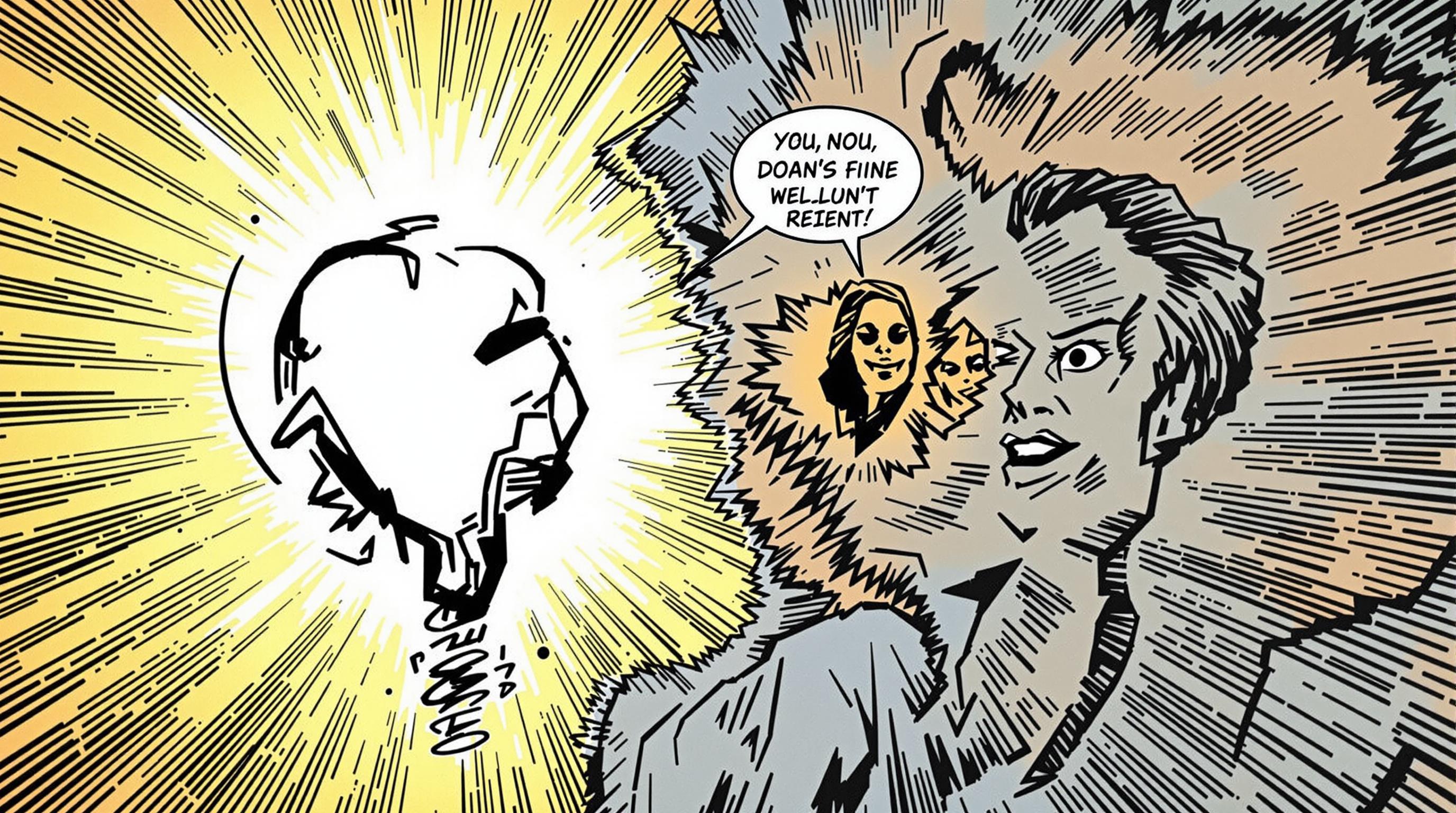
Graphic novels are not just for entertainment; they hold the potential to transform how legal concepts are understood and researched. By leveraging visual storytelling, they can demystify complex legal theories and make the law more accessible to a wider audience.
The Power of Visual Storytelling
It's no secret that humans are visual learners. Research indicates that approximately 65% of the population are visual learners, preferring to see information rather than just read it (Felder & Silverman, 1988). Graphic novels capitalize on this innate preference by combining text and visuals to create a more engaging learning experience. The use of imagery can help clarify intricate legal principles, making them more digestible for students, lawyers, and the general public alike.
Breaking Down Barriers
Consider the typical law textbook: dense, heavy on jargon, and often filled with complex case law that can leave even the sharpest minds feeling overwhelmed. Law students frequently joke about the notorious challenge of trying to decipher these texts. Now, imagine a world where these heavy volumes are replaced by vibrant graphic novels that weave intricate legal narratives with engaging imagery. A study by the American Bar Association found that 60% of law students felt their learning could be improved with more visual materials. Graphic novels could be the key to providing clearer, more relatable materials that break down these barriers.
Case Study: "Law and Order" in Comic Form
Take a 2018 initiative in the California legal community where a graphic novel titled “The Law and Your Rights” was released to help inform the public about their rights. The feedback was overwhelmingly positive; local lawyers reported an uptick in community engagement and awareness about legal rights. The novel illustrated everyday scenarios where individuals could find themselves at odds with the law, arming readers with the knowledge they needed to navigate complex legal waters confidently. “The visual nature of the novel made it approachable,” said attorney Angela Martinez, “and we saw people coming in asking thoughtful questions — something we hadn't seen before.”
A New Era for Legal Education
But the impact of graphic novels isn't limited to public engagement; they can also redefine legal education itself. The traditional Socratic method—where students are grilled on complex case law—can feel intimidating and alienating. In contrast, incorporating graphic novels into the curriculum presents legal concepts in a more approachable manner. Imagine first-year students tackling a graphic novel adaptation of landmark cases like Brown v. Board of Education or Roe v. Wade. These narratives can not only highlight the key details of the cases but also present the human stories behind them, further fostering empathy and understanding among future lawyers.
The Shift Towards Curated Research Practices
The legal profession has traditionally been steeped in heavy, text-based resources, which can lead to tedious research practices. Graphic novels could revolutionize how legal research is conducted. For instance, a visual narrative depicting a systemic legal problem, like mass incarceration or immigration law challenges, can offer a comprehensive overview of the issue while connecting it to real-life implications. Rather than analyzing multiple articles and case briefs, practitioners could utilize a single graphic text that distills critical information into relatable formats.
Amplifying Diverse Perspectives
Another significant contribution graphic novels can make to legal understanding is through the amplification of diverse voices within the legal system. Many graphic novels tackle issues surrounding social justice, racism, and inequality, which are not only pertinent to law but crucial for societal awareness. A notable example is “March,” the graphic novel trilogy by John Lewis that chronicles the civil rights movement. These narratives provide a necessary counter-narrative to conventional legal texts that often overlook the lived experiences of marginalized communities. By incorporating diverse voices and perspectives, graphic novels can help foster a more holistic understanding of legal issues.
Legal Professionals Taking Note
It's not just students and the public who can benefit from this innovative approach; legal professionals are starting to recognize the value of graphic novels too. The American Bar Association's 2020 report on legal education noted that lawyers who embrace interdisciplinary methods—including visual storytelling—are often better at communicating complex legal ideas to clients and juries. Graphic novels can serve as vital tools for lawyers to explain legal concepts in their arguments, presentations, and even client meetings, simplifying the complexities of the legal jargon many clients struggle to comprehend.
Engaging the Younger Generation
Another promising aspect of integrating graphic novels into legal studies is their appeal to younger generations. Today's youth are growing up in an environment rich with visual content; platforms like TikTok and Instagram have made information dissemination increasingly visual and concise. A report from the Pew Research Center indicated that 80% of teenagers enjoy content that combines graphics with information. Thus, if law schools and libraries adopted graphic novels, they could resonate with this demographic and enhance their understanding and interest in legal careers. Picture a future where young people are as enthusiastic about the law as they are about their favorite comic books!
The Humorous Side of Legal Practice
Let’s not forget the power of humor. Graphic novels allow legal concepts to be approached with a sense of levity that traditional texts often lack. Legal humor can humanize the profession and allow both novices and seasoned practitioners to enjoy the learning process. Imagine a graphic novel that plays out a courtroom drama involving a quirky cast of characters: the absent-minded judge, the overly dramatic attorney, and the mischievous courtroom bailiff. A humorous approach can not only make legal principles easier to remember but can also foster a more relaxed atmosphere conducive to learning.
A Call to Action for Legal Institutions
The potential benefits of graphic novels in the law warrant a call to action for legal institutions. Law schools should consider collaborating with graphic artists to develop courses that integrate graphic storytelling into traditional curricula. Libraries could stock graphic novels that present legal information in accessible formats, creating spaces for workshops and discussions. Law firms, too, might see the value in leveraging graphic novels for marketing materials or in client education outreach programs.
Conclusion: The Future of Legal Understanding
Pioneering this change may take time, as entrenched traditions are hard to break. However, as society continues changing, so must our approach to law and education. With innovation and creativity, graphic novels could very well become integral in the journey to make law more comprehensible and relatable. The ultimate goal is to create a legal landscape where every citizen understands their rights and responsibilities and feels empowered to navigate the legal system. Wouldn’t it be wondrous if future generations could pick up a graphic novel about law and say, “This makes so much sense!" as they engage in discussions about its themes? It may seem a distant hope now, but with determination and collaboration, that future is within reach.
As an 18-year-old writer keen on the fusion of art and science, I believe we are on the precipice of a revolution. It’s time to break free from the confines of dry legal texts and embrace the vibrant, engaging world of graphic storytelling to ensure that the law is not just learned, but truly understood.
Read More