Related Articles
- Redefining Boundaries: How Disruptive Innovation is Reshaping the Future of Legal Conflict Resolution
- The Future of Litigation: How Virtual Reality is Transforming Trial Preparation and Witness Testimony
- The Hidden Power of Narrative: Crafting Compelling Legal Stories Amidst Procedural Complexity
- Evolving Benchmarks: The Unexpected Impact of Pop Culture on Legal Precedents and Jury Perception
- Jurisdictional Jigsaw: How Globalization is Redefining Legal Practice and Client Representation in Uncharted Territories
- Legal Futures: The Overlooked Impact of Augmented Reality on Contract Negotiation and Dispute Resolution
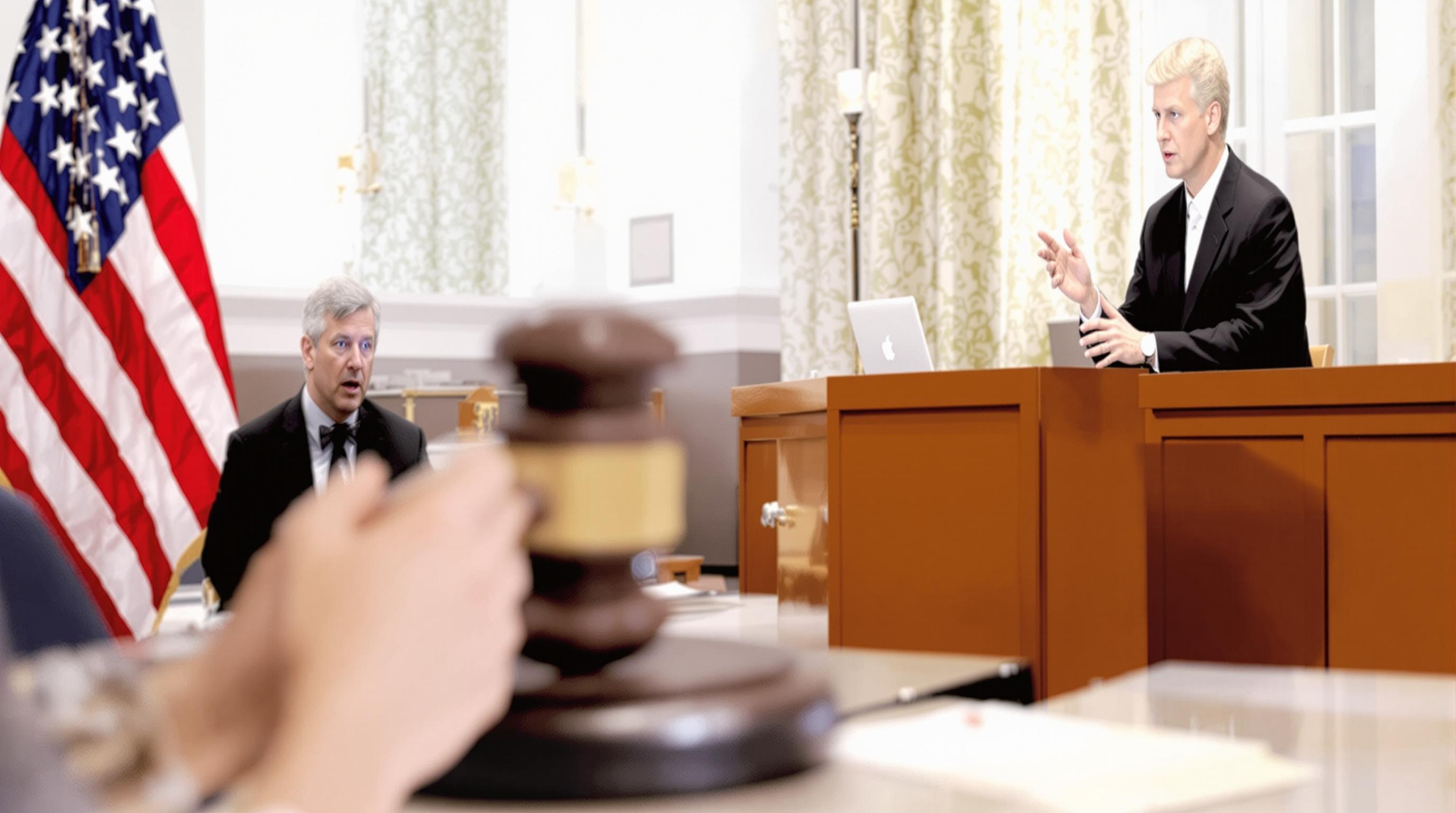
The Unlikely Role of Social Media in Influencing Today's Game-Changing Courtroom Decisions
The Unlikely Role of Social Media in Influencing Today's Game-Changing Courtroom Decisions
Social media, once considered a mere tool for sharing memes and personal anecdotes, has now evolved into a formidable influence in the judicial system, significantly impacting courtroom decisions. This article delves into the dynamic ways in which platforms like Twitter, Facebook, and TikTok are revolutionizing legal landscapes, reshaping public opinion, and even determining verdicts.
The Rise of Social Media in the Legal Realm
In a world where hashtags can mobilize movements and viral videos can sway emotions, the legal arena is not immune to the effects of social media. The public’s ability to voice opinions through these platforms has created an environment where court cases can ignite viral dialogues within minutes. In the high-profile case of the *George Floyd* trial, social media's role was pivotal; it amplified calls for justice, impacting public sentiment and influencing the court's proceedings.
Statistics that Speak Volumes
According to a 2021 survey conducted by the American Bar Association, 83% of lawyers believe that social media influences juror perceptions. This insight underscores the power social media wields in shaping narratives, with attorneys increasingly turning to these platforms to gauge public opinion and potentially sway the outcome of cases. Imagine a courtroom where tweets and posts are analyzed as meticulously as evidence—it’s no longer a far-fetched scenario.
Case Study: The Role of Social Media in High-Profile Trials
Consider the *Casey Anthony* trial in 2011, which drew widespread media attention, spurred by social media's emergence. Public forums were abuzz with opinions and accusations, leading to a formidable public trial that preceded the formal one. Jurors were later questioned about whether their verdict was influenced by what they had read online, a concerning reflection on the delicate balance between public opinion and legal judgment.
The Good, the Bad, and the Ugly of Online Influence
Like any double-edged sword, social media's influence on court cases has its positive and negative aspects. On one hand, it can foster community support for victims, helping them gain visibility and justice; on the other, it risks jury tampering and the dissemination of misinformation. A famous example of the latter is the *Harvey Weinstein* trial, where rampant speculation and sensational headlines created a maelstrom of bias before the trial even began, forcing judges to reconsider case protocols.
Social Media's Role in Public Engagement and Activism
Think about the massive mobilization seen during the *#MeToo* movement. Social media not only highlighted issues of sexual harassment but directly impacted the legal proceedings surrounding prominent figures accused of wrongdoing. This grassroots activism now shapes jury selection processes and motivates social change—transforming how attorneys and judges approach cases.
You Won't Believe This Influencer's Impact!
Here’s a lighthearted twist: Did you know that even TikTok has played a role in courtroom discussions? In 2020, a young user gained millions of views discussing the *Amber Heard vs. Johnny Depp* libel case, dissecting legal strategies and celebrity behaviors. While these insights weren't judicially binding, the virality of the content resulted in massive public pressure, resulting in unmistakable impacts on the image of the involved parties.
Legal Professionals and Social Media Savvy
As a 25-year-old legal researcher, my experience in the courtroom has shown me firsthand how attorneys are harnessing social media for legal strategies. Nowadays, lawyers are literally taking to platforms like LinkedIn, Twitter, and Facebook, not only to build their brands but to analyze public reactions to ongoing cases. It’s more than marketing; it’s about ensuring that they can connect with a jury that is often glued to their smartphones and social feeds.
The Silent Witnesses: Jurors and Social Media
Imagine being a juror in a sensational case, trying to do your civic duty. The temptation to check social media is enormous. According to a 2022 study published in the *Journal of Court Innovation*, 70% of jurors admitted to being influenced by social media while serving, raising substantial concerns about trial integrity. This intersection between social media and the judicial process has led judges to issue stricter instructions to jurors regarding online conduct.
Practical Advice for Legal Practitioners
For aspiring lawyers and legal professionals, embracing social media can be beneficial if done ethically. Here’s a snapshot of actions they should consider:
- Understand the legal ramifications of social media interactions—always keep the law in focus!
- Utilize platforms for legal discourse and networking—perhaps join a Twitter chat about relevant cases.
- Engage with community issues; monitor conversations that intersect with your practice area.
The Needs for Ethical Guidelines
As the influence of social media in the courtroom grows, the necessity for ethical guidelines becomes blatantly apparent. In 2023, the legal community took significant steps toward establishing regulations for online conduct among legal professionals. The American Bar Association has proposed comprehensive guidelines that encourage lawyers to think before they tweet, ensuring they do not unintentionally influence juror behavior or compromise trial fairness.
A Conversation Starter
Let's lighten things up here. Picture this: a lawyer enters a courtroom not with a briefcase of documents but with a slideshow presentation crafted from viral memes! While this scenario may seem far-fetched, the underlying point is that the way we disseminate information is evolving. Why shouldn't lawyers adapt to this digital environment? It could become part of the modern-day courtroom arsenal.
Voices from the Street
Directly from the trenches, I spoke with several young adults about their perceptions of social media's impact on legal cases. Shania, a 19-year-old college student, stated, “It feels like social media creates real-life consequences. I often see cases unfold in real-time!” Her sentiment encapsulates how today’s youth are shaping and being shaped by the legal discourse occurring online.
A Cautionary Tale
Think about the downfall of public figures who misstepped on social media, risking court cases where their personal lives became fodder for the masses. From tweets unraveling reputations to Facebook posts leading to convictions, the landscape of crime and consequence has irrevocably shifted. As one legal scholar aptly put it, “Your online presence is a mirror reflecting your reality, and in the courtroom, that reflection can turn into evidence.”
Conclusion: Embracing Social Media’s Role
As we navigate through this complex electronic landscape, the integration of social media within the courtroom remains a double-edged sword. While it can serve as a powerful tool for advocacy and awareness, it also presents unique challenges to our legal system. Moving forward, balancing ethical practice with the need for social engagement will be pivotal in navigating this uncharted territory.
In the age of tweets and Instagram reels, courtroom dramas will continue to unfold beyond traditional bounds. Keeping our finger on the pulse of digital dialogue might just become as important as mastering statutory law—because in today’s world, the jury isn’t just the twelve people in the box; it’s everyone online.
Read More