Related Articles
- Redefining Boundaries: How Disruptive Innovation is Reshaping the Future of Legal Conflict Resolution
- The Future of Litigation: How Virtual Reality is Transforming Trial Preparation and Witness Testimony
- The Hidden Power of Narrative: Crafting Compelling Legal Stories Amidst Procedural Complexity
- Evolving Benchmarks: The Unexpected Impact of Pop Culture on Legal Precedents and Jury Perception
- Jurisdictional Jigsaw: How Globalization is Redefining Legal Practice and Client Representation in Uncharted Territories
- Legal Futures: The Overlooked Impact of Augmented Reality on Contract Negotiation and Dispute Resolution
The Hidden Influence of Cultural Shifts on Judicial Rulings: A Deep Dive into Recent Courtroom Dynamics
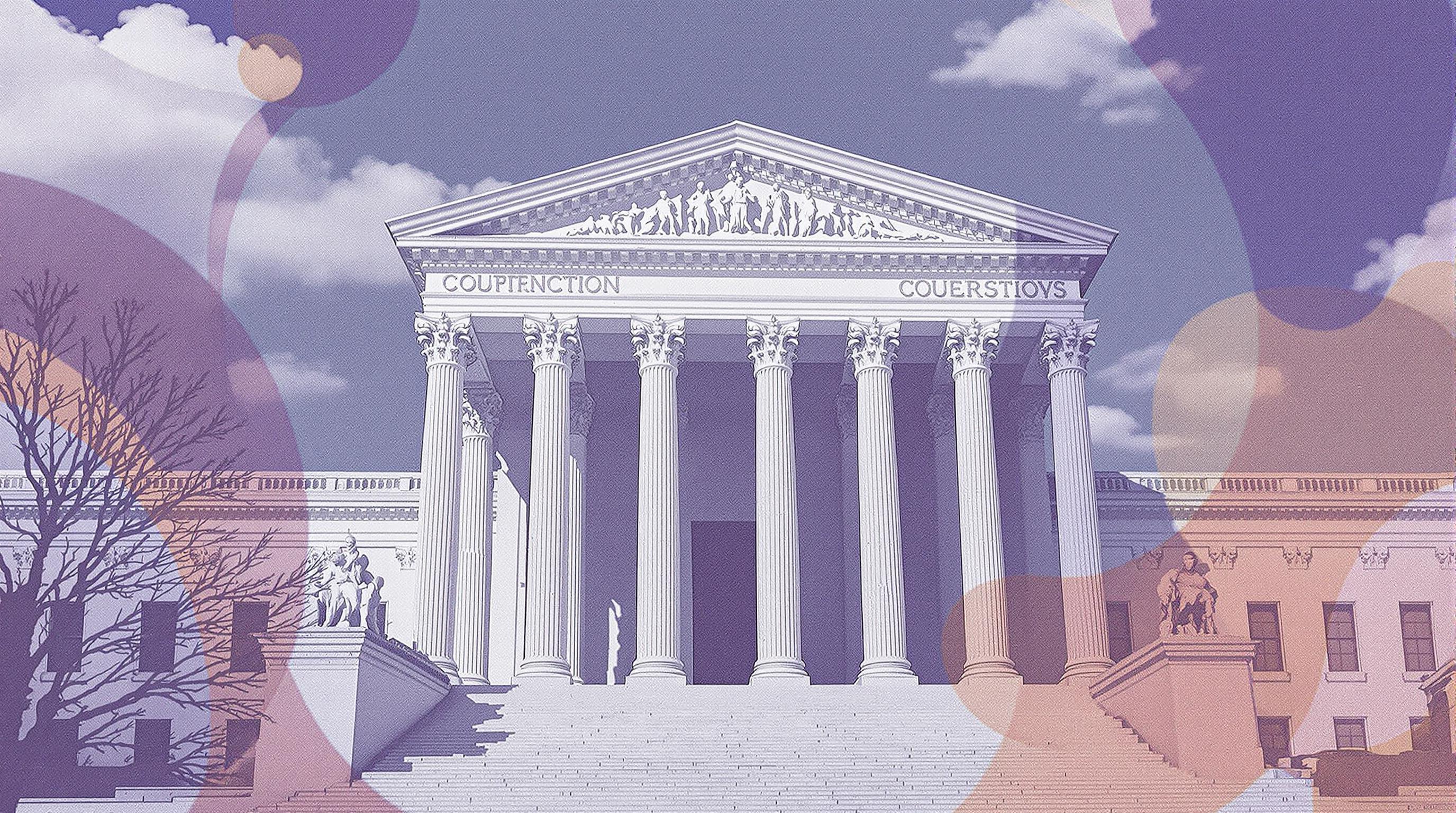
The Hidden Influence of Cultural Shifts on Judicial Rulings: A Deep Dive into Recent Courtroom Dynamics
The intersection of cultural shifts and judicial rulings is a complex, often overlooked phenomenon that shapes the legal landscape in profound ways. This article will explore recent courtroom dynamics, examining how societal changes influence judicial outcomes through examples, storytelling, and in-depth analysis.
The Historical Context of Judicial Rulings
To understand the present dynamics of courtrooms, it’s essential to revisit the past. The culture of a society has historically played a crucial role in guiding legal interpretations. For instance, the landmark case of Brown v. Board of Education (1954) marked a turning point not only in desegregation efforts but also in the very fabric of American society. The civil rights movement provided a fertile ground for cultural shifts that pressured the judiciary to reflect the evolving values of equality and justice in its rulings.
Modern Case Studies
One illuminating case is Obergefell v. Hodges (2015), where the Supreme Court ruled in favor of same-sex marriage. The decision came on the heels of a significant cultural shift regarding LGBTQ+ rights, with polls showing that public support for legalizing same-sex marriage soared from 27% in 1996 to 62% in 2015 (Pew Research Center). This ruling didn’t just align with a growing acceptance in society but actively contributed to our evolving cultural landscape.
Similarly, consider the recent rulings concerning reproductive rights, particularly in light of the overturning of Roe v. Wade in 2022. The political and cultural climates surrounding women's rights have undergone dramatic transformations, with changing attitudes about women's autonomy reflecting broader societal shifts. Such rulings are often a response to prevailing cultural narratives rather than a mere application of legal precedents.
The Role of Media and Public Opinion
Media, especially social media, has transformed the way public opinion shapes judicial outcomes. In an era where hashtags can mobilize millions—for instance, #MeToo and #BlackLivesMatter—judges and courts can no longer operate in a vacuum. A recent study published in the Yale Law Journal emphasized that judges are now more aware of public sentiment than ever before, effectively making them more malleable to cultural influences (Yale Law Journal, 2021). This dynamic raises the question: Are judges merely interpreting the law, or are they also balancing on a tightrope of social acceptance?
Storytelling: A Case to Remember
Let’s take a moment to recount the story of a prominent case—instead of elaborating on dry legal frameworks, I want to put a human face on this dynamic. In 2019, a young undocumented immigrant, Camila, sought asylum in the United States after fleeing violence in her home country. While the legal aspects of her case wove through the courts, the cultural narratives surrounding immigration were rapidly evolving, sparked by both grassroots activism and strong political rhetoric. Judges presiding over cases like Camila's were not just making rulings on the law but were influenced by the weight of cultural expectations, narratives of compassion, and the complex social dynamics at play.
The Psychological Dimension
Cultural shifts don’t just affect public opinion; they also influence the mindset of judges. Legal scholar Judith Resnik points out that judges are not mere arbiters of law but are, in fact, social agents influenced by their values, experiences, and social backgrounds (Resnik, 2017). This psychological dimension is increasingly relevant in understanding courtroom dynamics—judges don’t act in isolation from societal changes. Their rulings can often reflect their interpretation of justice, colored by the prevailing cultural attitudes of the era.
Statistics that Tell a Story
Data can illustrate these shifts succinctly. In 2018, 72% of Americans believed that racial discrimination continues to be a significant issue, according to a Gallup poll. As instances of systemic racism became prominent in public discourse, court rulings began reflecting these societal concerns. In several high-profile police misconduct cases, judges were tasked not just with interpreting the law but also with reflecting on societal values regarding race and justice. The influences are undeniable; the courtroom has increasingly become a battleground for cultural narratives.
The Philosophical Underpinning of Law
If we dive deeper into the philosophy of law, we find exciting intersections between culture and judicial rulings. Legal realists argue that the law is not merely a set of rules but is deeply intertwined with societal values and ethics. As Ruth Bader Ginsburg once articulated, laws should evolve to reflect the rights and dignity of all individuals. This becomes particularly relevant when considering cultural revolutions in gender equality and racial justice. Courts become spaces where societal ethics and judicial interpretations collide, leading to striking changes in rulings over time.
Persuasion in the Courtroom
Moving beyond case studies, we can perceive a persuasive element to how cultural shifts influence courtroom dynamics. Lawyers often find themselves tapping into cultural narratives to sway a judge or jury’s opinion. For instance, during closing arguments, a lawyer might highlight how a outdated law conflicts with contemporary values—poignantly illustrating its consequences on society today. As juries reflect the dynamics of a changing society, so too do judicial outcomes.
The Emotional Response
Humorously, one might say that judges are not immune to the “Netflix effect” — the way binge-watching encourages us to see characters as multidimensional and relatable. This emotional connection mirrors the experiences of people in courtrooms, where judges often make their decisions based not only on logic but also on empathy. Will such stories shape future legal norms? While one may chuckle at the thought, the truth is both poignant and profound.
Future Considerations
As we glance into the future, one can’t help but ponder how technology might reshape courtroom dynamics further. Consider virtual courtrooms and AI tools that will inevitably influence judicial decision-making. What cultural narratives will emerge in response to technological evolutions? As society continues to confront complex issues like privacy, cybersecurity, and artificial intelligence, one can anticipate that cultural shifts will become even more pronounced in shaping judicial paradigms.
Engaging the Audience: Your Turn!
Now it’s your turn, dear reader. Think about the current societal changes that resonate with you—how could these cultural shifts influence future court rulings? Engage in discussions with friends and family about the interplay of culture and law, and you may discover insights that ripple through the fabric of your community.
In summary, the hidden influences of cultural shifts on judicial rulings unveil a rich tapestry of complexity within our judicial system. From the historical context to modern stories, we illuminate how societal changes shape legal outcomes. As we navigate through ongoing transformations, one thing remains clear—courts are not just legal entities; they are mirrored reflections of the community and culture they serve.
Read More