Related Articles
- Redefining Boundaries: How Disruptive Innovation is Reshaping the Future of Legal Conflict Resolution
- The Future of Litigation: How Virtual Reality is Transforming Trial Preparation and Witness Testimony
- The Hidden Power of Narrative: Crafting Compelling Legal Stories Amidst Procedural Complexity
- Evolving Benchmarks: The Unexpected Impact of Pop Culture on Legal Precedents and Jury Perception
- Jurisdictional Jigsaw: How Globalization is Redefining Legal Practice and Client Representation in Uncharted Territories
- Legal Futures: The Overlooked Impact of Augmented Reality on Contract Negotiation and Dispute Resolution
Unraveling the Unseen: How Cultural Narratives Shape Legal Frameworks Across Borders
Unraveling the Unseen: How Cultural Narratives Shape Legal Frameworks Across Borders
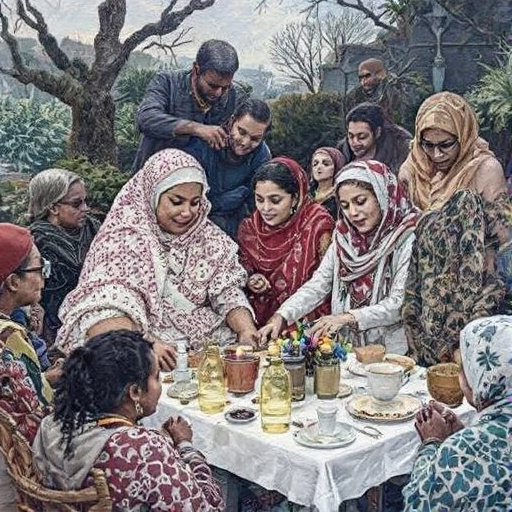
At the intersection of law and culture, unseen forces shape legal frameworks around the world, often unseen but profoundly felt. This article explores the influences of cultural narratives on legal systems, weaving through examples, case studies, and personal anecdotes that reveal their significance and implications.
Understanding Cultural Narratives
Cultural narratives are the stories that define a group’s identity—how they perceive the world and their place within it. From myths to modern media, these narratives convey norms, values, and beliefs, shaping attitudes towards justice, governance, and legal rights on a deeply ingrained level. For instance, in many societies, the tales told to children can significantly influence their understanding of authority and justice, which in turn affects how they relate to laws as adults. These early lessons in morality and ethics can manifest in later life, as seen in various legal cases where individual perceptions of right and wrong collide with established laws.
Case Study: Cultural Navigate—Greece vs. the U.S.
Let’s take the legal approach towards forgiveness, as observed through two very different cultural lenses: Greece and the United States. In Greek culture, stories of brotherly betrayal and subsequent forgiveness are as prevalent as olive oil in their cuisine. The cultural narrative surrounding forgiveness is intricate and esteemed, creating a softer approach to justice. Contrastingly, the American legal system embodies a more punitive nature, often emphasizing retribution over rehabilitation, reflecting a cultural narrative steeped in individualism and self-reliance. As observed in the U.S., the narrative of "you break it, you buy it," drives a more aggressive legal stance that often escalates conflicts instead of resolving them amicably. This divergence in narratives not only portrays contrasting societal values but also impacts the legal frameworks established in these nations.
A Humorous Take: The Characters in Legal Drama
Picture this: courtroom dramas where a lawyer defiantly points a finger at the defendant, a judge slamming his gavel, and a jury gasping in shock. This melodramatic portrayal of legal proceedings may have more to do with cultural narrative than legal prowess. For instance, Elmer Fudd would never win a case in a law courtroom. “The wabbit did it!” might be a catchy catchphrase, but Jurisprudence requires a tad more nuance—like understanding the cultural contexts. It is like bringing a veggie platter to a barbecue—simply unacceptable. Hence, cultural narratives create bias and flourish amid stereotypes, affecting perceptions of defendants, witnesses, and, crucially, the law itself.
The Dive into Restrictive Narratives
Despite cultural narratives being a source of connection and understanding, they can also lead to restraining legal frameworks that don’t align with evolving societal values. For example, in India, the longstanding narrative surrounding the caste system continues to influence legal practices, often leading to discrimination and disparity in the enforcement of laws. While the Indian constitution firmly abolishes untouchability, cultural narratives can often shift the perception of their validity. According to a 2018 report by the National Crime Records Bureau of India, crimes against scheduled castes and tribes saw a significant spike, indicating the profound inertia often inherent in cultural narratives that hinders the legal implementation meant to protect these communities (NCRB, 2018).
Statistics Speak: The Numbers Behind Narratives
Statistics can often paint a vivid picture of how cultural narratives influence legal frameworks. For instance, the 2021 World Justice Project's Rule of Law Index reported that nearly 56% of people in various nations felt that their legal systems were biased against different social groups. This perception can stem from cultural narratives that minimize or ignore the lived experiences of marginalized communities. If numbers speak volumes, it is no surprise they can resonate with cultural narratives that confound legal systems—a remarkable cycle of influence that deserves further exploration.
Persuasive Points: The Power of Collective Memory
If who we are shapes what we do, then collective memory forms the very foundation of our actions. The incorporation of cultural narratives into legal frameworks enhances the relevance and accessibility of laws, ultimately leading to more enriching and participatory legal systems. When individuals see their stories reflected in laws, they feel a stronger sense of belonging and responsibility towards them. For a legal framework to function effectively, it must resonate with the lived experiences of its people. Evolving legal narratives, which are inclusive and reflective of diverse cultural experiences, are paramount to ensure that laws are not merely instruments of control but facilitators of justice.
Stories from the Other Side: Personal Anecdotes
As a 24-year-old blogger from the bustling city of Toronto, I often reflect on how cultural narratives have sewn themselves into my understanding of law. The captivating tales of Indigenous Canadian groups imparting values of communal sharing to the next generation inspire thoughts around restorative justice. When a friend of mine faced charges for minor drug possession, we incorporated narratives emphasizing rehabilitation. This resonated with local activists advocating for marginalized communities, who outlined how punitive measures often perpetuate cycles of criminality rather than address root causes. The story illustrates that the narratives we embrace during such formative discussions coalesce with legal frameworks, potentially altering their trajectory.
The Future: Cultivating New Narratives
As we stride into an interconnected future, it is crucial to cultivate new narratives conducive to promoting inclusive legal frameworks. Urbanization and globalization invite diverse cultures to coalesce, creating a complex tapestry of stories. To adapt legal frameworks appropriately, it may be necessary to engage citizens in discussions about shared values and collective experiences, leading to a more cohesive understanding of justice. The shift from merely understanding cultural narratives to amplifying them within our legal systems may enable a firmer foundation where unity amidst diversity can flourish.
The Role of Media in Shaping Narratives
Media is the wordsmith of cultural narratives; it shapes perceptions before the proverbial gavel ever strikes. The portrayal of legal matters in film, television, and journalism can sway public opinion, highlighting certain viewpoints while silencing others. For example, the celebrated series “The Good Wife” not only entertained but also educated audiences about the legal intricacies involved in high-stakes litigation. Yet, the narrative it crafted around female lawyers tackling sexism and the balance of power has likely altered public perceptions and expectations of law. These narratives can set the stage for institutional reforms when consumers demand that the law aligns with cultural values.
The Global Case for Cultural Sensitivity in Law
As globalization escalates and the world becomes increasingly interconnected, the law must evolve in tandem. The need for culturally sensitive legal frameworks becomes undeniable as societal structures become blending pots of diverse narratives. Addressing the discrepancies in legal frameworks across borders requires an acknowledgment of the underlying cultural narratives. For example, the Canadian legal system's attempt to integrate Indigenous laws reflects an acknowledgment of the profound and nuanced narratives that exist in conjunction with Western legal principles. As Harvard Law School's Susan K. C. Mulligan pointed out, “To ignore or erase cultural narratives in the pursuit of uniformity is a detriment to the fabric of society itself” (Mulligan, 2020). Thus, cultural sensitivity is not merely an addendum to legal considerations—it is the cornerstone of achieving justice in our increasingly diverse world.
Conclusion: Remapping Our Legal Landscapes
In conclusion, cultural narratives are potent forces shaping legal frameworks across borders, beckoning the world to embrace a multidimensional understanding of law and justice. Whether we are confronting discrimination, bias, or hoping for reform, recognizing the unseen narratives that influence perceptions and actions will help pave the way for more inclusive, equitable legal systems. As we move forward, let us remember that every legal case is entwined with stories—stories that hold the power to redefine our understanding of justice in ways that resonate far beyond the courtroom.
Read More