Related Articles
- Redefining Boundaries: How Disruptive Innovation is Reshaping the Future of Legal Conflict Resolution
- The Future of Litigation: How Virtual Reality is Transforming Trial Preparation and Witness Testimony
- The Hidden Power of Narrative: Crafting Compelling Legal Stories Amidst Procedural Complexity
- Evolving Benchmarks: The Unexpected Impact of Pop Culture on Legal Precedents and Jury Perception
- Jurisdictional Jigsaw: How Globalization is Redefining Legal Practice and Client Representation in Uncharted Territories
- Legal Futures: The Overlooked Impact of Augmented Reality on Contract Negotiation and Dispute Resolution
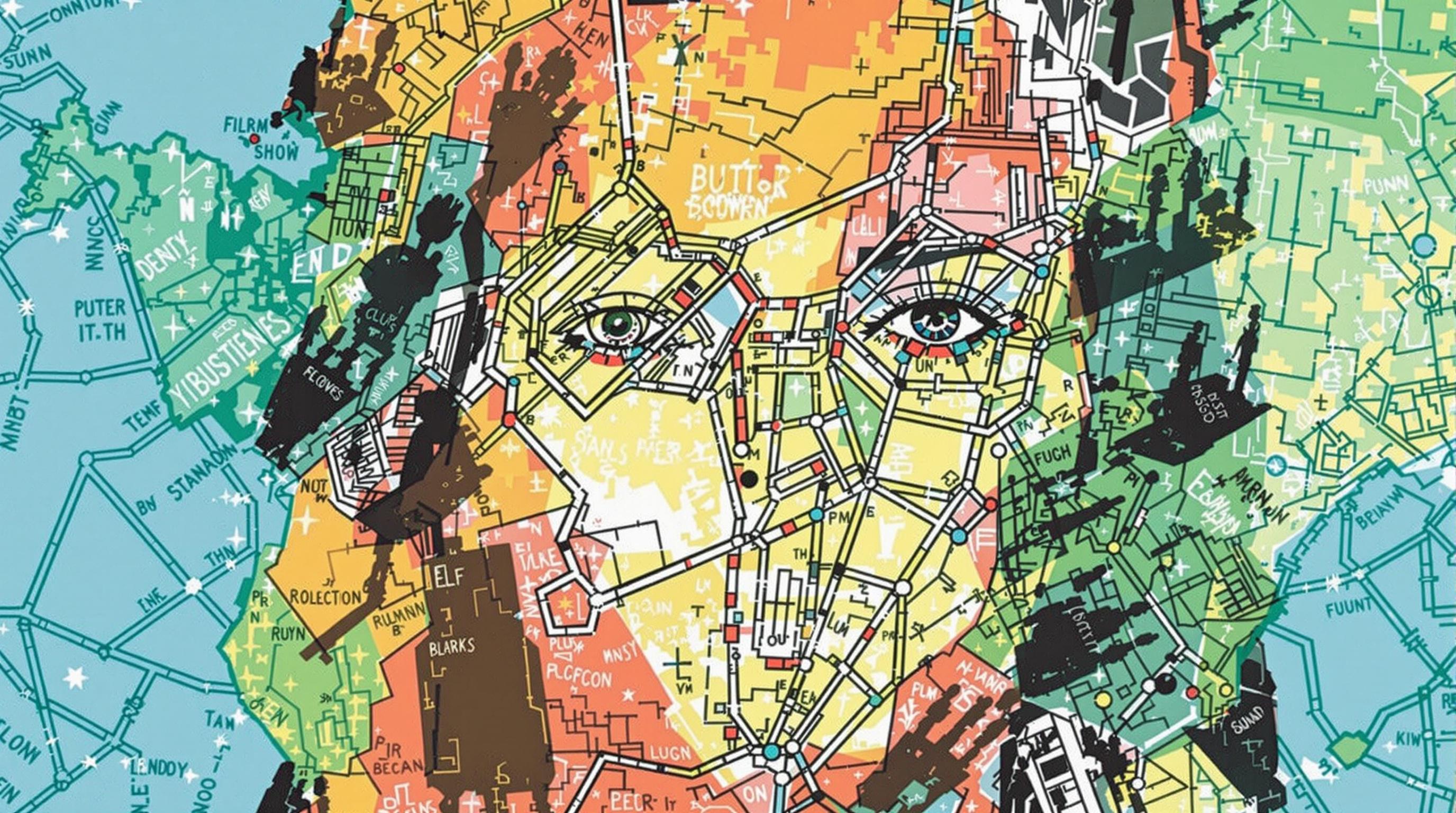
Shadows of Justice: Uncharted Legal Relationships Among Minority Jurisdictions and Their Global Repercussions
Shadows of Justice: Uncharted Legal Relationships Among Minority Jurisdictions and Their Global Repercussions
In a world defined by intricacies of law and governance, minority jurisdictions often find themselves navigating uncharted legal waters. This article delves into the underexplored legal relationships among these jurisdictions and their profound global repercussions, revealing the shadows of justice that often go unnoticed.
The Underbelly of Minority Jurisdictions
Minority jurisdictions—those that operate under different legal frameworks—often highlight the gaps in global jurisprudence. Think of nations like Bhutan or territories like Puerto Rico. While they are subject to unique legal doctrines, their interactions with the larger world can lead to confusion and often unintended legal consequences.
Case Study: Puerto Rico's Tax Status
Take Puerto Rico, for example. Operating under a unique tax status, it finds itself twice removed from the federal regulations of the United States. According to the Congressional Research Service, Puerto Rico's residents face an effective tax rate of up to 30%, which differs significantly from individuals on the mainland who might pay a significantly lower federal rate. The island’s unique status illuminates how minority jurisdictions can operate within a strikingly convoluted legal framework that affects everything from tax revenue to civil rights protections.
Storytime: The Tangle of International Law
Once upon a time, in a small Caribbean island, a young entrepreneur named Maria dreamed of exporting artisanal crafts to the mainland United States. After months of preparation, she was ready to ship her first batch of handmade jewelry. But little did Maria know that her legal journey would be complicated by the unique laws governing Puerto Rico. As her exciting venture delved into the regulatory mire of import duties, taxes, and business licenses, she found herself entangled in a web that had little sense if seen from outside. Her success, it turned out, had to weather the storms of multiple legal systems and their interpretations—a stark representation of how minority jurisdictions affect even the smallest players on the global stage.
The Global Ripple Effect
When we look at the broader implications, we cannot overlook minority jurisdictions' role in global trade. Turbulence in one jurisdiction can send ripples across continents. A study by the World Bank noted that legal conflicts and uncertainties for minority jurisdictions can create disparities in investment flows, with an estimated decrease in investment of up to 40% compared to more stable regions. Investors, like anyone else, seek predictability, and these uncertain legal landscapes can discourage even the most adventurous of capital.
Humor: The Legalese Comedy
Picture this: A lawyer walks into a bar in a minority jurisdiction and orders a drink. The bartender says, “Where’s your license?” The lawyer replies, “Which one? Federal, state, or the one that acknowledges my right to enjoy a pineapple upside-down cake cocktail while debating if the color of my drink is legitimately a ‘shade of justice’?” If only our legal discussions were this straightforward! The layers of legal complexities often hide behind a facade of hilarity—an unending play of words that makes even seasoned legal experts pull their hair out.
How Legal Pluralism Meets Human Rights
Legal pluralism—where multiple legal systems coexist within a single political entity—poses significant challenges for human rights advocacy in minority jurisdictions. In Rajasthan, India, traditional village councils (panchayats) uphold local custom laws alongside the formal legal system. However, while these systems may reflect cultural values, their application can sometimes undermine women's rights. As gender-based violence remains a critical issue, the challenge rests in reconciling local customs with global human rights standards.
Statistics: The Numbers Speak
Did you know that over 65% of human rights violations reported globally arise in jurisdictions pursuing legal pluralism? The intertwining of traditional laws and modern governance can often lead to discriminatory practices, particularly against marginalized groups. These statistics highlight the problem and underscore the urgent need for a unified legal approach that values both local customs and universal human rights.
Legal Jargon and Its Real-World Impact
As a 26-year-old lawyer myself, I often joke that legal jargon could sink a battleship. It’s not merely the complexity of legal language that thwarts understanding; it’s the barrier it erects between communities and the justice system. In minority jurisdictions, where the populace may be linguistically diverse, this issue escalates even further. An estimated 70% of people in these areas are unable to access legal resources due to language barriers, leaving them vulnerable and disenfranchised. Bridging this gap demands innovative solutions and outreach strategies.
The Influence of Culture on Law
Cultural heritage plays a pivotal role in shaping laws within minority jurisdictions. In some parts of Africa, customary law dictates disputes over land and property. The contrasts between customary and formal law can create a battleground for justice, where rights are often determined by prevailing cultural practices rather than codified rules. This coexistence can lead to marginalized groups—often women—being left voiceless in decisions that affect their very livelihood.
Persuasive Argument: Rethinking Legal Frameworks
We must rethink our approaches to minority jurisdictions. As global citizens, we cannot allow the shadows of legal discrepancies to perpetuate inequality. Investing in legal education and establishing frameworks that prioritize equity and transparency in minority jurisdictions will not only benefit local communities but also strengthen our interconnected world. Let’s ignite conversations and initiatives that encourage a dialogue among diverse legal frameworks, where every voice, no matter how soft, finds its echo.
Emerging Challenges and Opportunities
As legal landscapes evolve, technological advancements present unique challenges and opportunities. The rise of blockchain technology has transformed how laws are codified and contracts are executed. In jurisdictions where legal frameworks lag behind technological advancements, the risk of alienation grows. Legal experts must collaborate with tech innovators to ensure equitable access to these advancements, leading to a more inclusive legal environment.
The Next Generation of Leaders
As a society, we must empower the next generation of legal leaders to navigate the shadows of justice. Universities and institutions should prioritize teaching legal pluralism and its implications on human rights. Regular workshops, internships, and practical training will equip young professionals with the tools they need to mediate conflicts in minority jurisdictions more effectively. If we equip our youth with the skills to overcome these legal hurdles, the scars of past injustices can be transformed into blueprints for future equity.
The Quest for Transparency
Transparency is crucial if we aim to illuminate the dark corners of minority jurisdictions. Simple changes, such as making legal documents more accessible and understandable, could revolutionize how these jurisdictions operate. Imagine a world where legal confidentiality does not equal opacity! According to a recent survey by Transparency International, 78% of respondents believe that increased transparency in legal proceedings would boost public confidence in the justice system. This statistic paints a hopeful picture of change that’s within reach.
Conclusion: The Path Toward Inclusivity
As we navigate the complex tapestry woven by minority jurisdictions and their unique legal challenges, it is essential to spotlight the often-overlooked implications. The path toward inclusivity and justice requires ongoing dialogue, innovative practices, and unwavering commitment. Whether you’re a legal professional, a budding entrepreneur, or just a curious reader, understanding the shadows that linger in these spaces can empower us to foster a more equitable global landscape. In the end, the quest for justice is not merely a legal issue; it is inherently a human one.
Read More