Related Articles
- Redefining Boundaries: How Disruptive Innovation is Reshaping the Future of Legal Conflict Resolution
- The Future of Litigation: How Virtual Reality is Transforming Trial Preparation and Witness Testimony
- The Hidden Power of Narrative: Crafting Compelling Legal Stories Amidst Procedural Complexity
- Evolving Benchmarks: The Unexpected Impact of Pop Culture on Legal Precedents and Jury Perception
- Jurisdictional Jigsaw: How Globalization is Redefining Legal Practice and Client Representation in Uncharted Territories
- Legal Futures: The Overlooked Impact of Augmented Reality on Contract Negotiation and Dispute Resolution
Divergent Paths: Uncommon Legal Traditions and Their Surprising Influence on Modern International Treaties
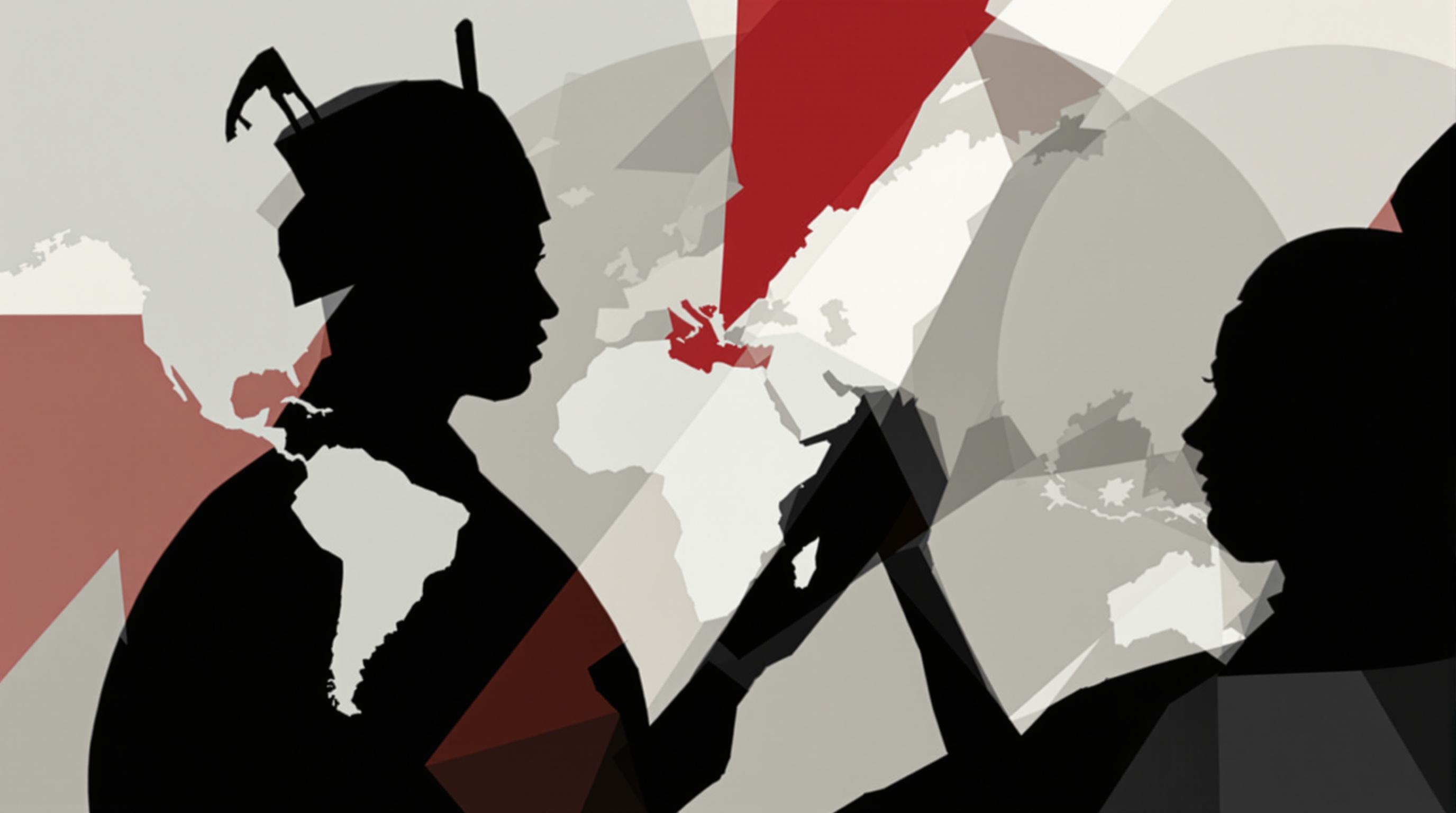
Divergent Paths: Uncommon Legal Traditions and Their Surprising Influence on Modern International Treaties
The world of international treaties is often viewed as a homogenous landscape ruled by Western ideologies; however, this article reveals the surprising and uncommon legal traditions that influence modern treaties, showcasing how diverse perspectives shape global collaboration.
The Patchwork of Legal Traditions
To understand the influence of divergent legal traditions on today's international treaties, one must first recognize that legal systems are as varied as the cultures that birthed them. From the common law of England to the civil law of France, and from the indigenous legal practices in Australia to the Islamic law of Sharia, each tradition brings distinct philosophies and methods that impact international collaboration.
Case Study: The Influence of Customary Law
Consider customary law, which operates on unwritten practices that stem from social norms and traditions. For instance, in several African nations, cooperative frameworks for land use—rooted in tribal customs—have been recognized by international agreements such as the United Nations Declaration on the Rights of Indigenous Peoples. This recognition acknowledges that treaties can benefit from the rich, historical contexts that customary law offers.
The Unexpected Humor in Legal Texts
Ever found yourself chuckling at the absurdities of legal jargon? Sometimes it feels like legal professionals are in a competition to create the most convoluted phrases imaginable. The real kicker? These dry, wordy texts can lead to serious misunderstandings in treaty agreements, especially when considered across differing legal traditions.
For example, in a more light-hearted yet thought-provoking instance, the phrase “sovereign immunity” may cause eyebrows to raise in jurisdictions where sovereigns are viewed as fallible individuals rather than untouchable entities. When negotiating international treaties, humor can serve as a bridge toward understanding, reminding us that the law—and those who interpret it—are ultimately human.
The Role of Indigenous Perspectives
The indigenous traditions across the globe offer another significant layer to the understanding of international law. Institutions such as the American Indian Movement have pushed for an increased recognition of indigenous treaties, which often contain provisions unknown to mainstream legal systems.
For example, the landmark case of United States v. Sioux Nation of Indians highlighted that treaties signed with Native American tribes continue to have lasting effects on land rights and sovereignty today. The application of such treaties requires a nuanced understanding of differing customs and historical contexts, illustrating how indigenous perspectives shape modern legal discussions.
Statistical Insights on Legal Variation
According to the World Justice Project’s Rule of Law Index, around 60% of countries incorporate some form of customary law within their legal framework. Yet, this percentage belies a deeper complexity: only about 20% of these nations actively engage with such practices in forming international treaties. This gap highlights the potential loss in treaty effectiveness and the need for a more integrated approach.
Legal Traditions in Action: A Global Perspective
As an 18-year-old budding writer reflecting on the world of law, I find it bewildering yet fascinating; I mean, what’s more gripping than a courtroom drama that spans continents? Let’s take the example of the Paris Agreement: countries with varying legal traditions came together, striving for a common goal—climate action. The delicate balance of differing legal principles was crucial for the negotiations, showcasing that the future of global treaties rests on an eclectic blend of legal philosophies.
Persuasion Through Tradition
Now, let's get a bit persuasive: being entrenched in a single legal tradition can’t just limit countries—it can prevent progress. A cooperative approach, where laws from diverse cultures are utilized, allows us to draw from a well of knowledge that has stood the test of time. Just imagine if legal officials recognized indigenous wisdom in treaty negotiations; we might find phenomenal solutions for our global challenges!
Building Bridges: The Future of Law
Given the multiple legal traditions that exist, the question arises: can they coexist harmoniously in treaty-making? It’s not just a pie-in-the-sky dream; countries like New Zealand have set precedents through the incorporation of Māori customs in their legal framework—what could this mean for international law? Such practices can further underpin international treaties by including diverse viewpoints, avoiding cultural blind spots.
A Story of Culinary Diplomacy
Let’s travel to the Land of the Rising Sun; Japan has famously blended legal techniques from both its indigenous practices and Western influences. In a humorous twist, this blend has led to an unusual phenomenon known as "culinary diplomacy," where international treaties are sometimes negotiated over shared meals. Imagine: sushi rolls and treaty signings! This is not only a sign of goodwill but also a path to understanding—highlighting how legal traditions can unite us in unexpected ways.
The Broader Implications
The ramifications of acknowledging diverse legal traditions extend into everyday life, not just in the elite circles of diplomacy. For instance, cross-border businesses must navigate these varying legal landscapes to remain compliant with international treaties. Companies engaging in international trade can learn crucial lessons about different legal environments—like understanding the implications of customary laws when conducting business in different countries.
Wrapping it Up: A Call to Action
So, what’s the takeaway? If legal professionals collaborate and acknowledge these uncommon traditions, they can create a more inclusive, efficient, and effective international legal system. The key lies in education and understanding, so let’s champion for reforms that promote the incorporation of diverse traditions in law, not just for the elite but for all of society to benefit.
Each of us holds the power to advocate for a future where legal traditions are not just boxes to check but vibrant cultures and philosophies that enrich our understanding of one another. As we forge ahead, let’s encourage dialogue, cooperation, and—just maybe—a little humor in the complex world of international treaties!
Read More